Home and Shop Vacuum
FAQ
Home and Shop Vacuum
What is a home and shop vacuum used for?
A home and shop vacuum is designed for general cleaning, workshop clean-up, garage use, DIY work and collecting dust, debris and other mess created during everyday tasks. They are more robust than a standard domestic vacuum and are commonly used in home workshops, garages, sheds, trade environments and small commercial spaces.
What is the difference between a shop vacuum and a normal household vacuum?
A shop vacuum is built to handle tougher cleaning jobs, including sawdust, wood chips, workshop debris, DIY dust and in some cases wet pick-up. Standard household vacuums are designed mainly for carpets and indoor domestic dust, whereas shop vacuums are better suited to garages, workshops, tools and rougher environments.
Can I use a shop vacuum for dust extraction from power tools?
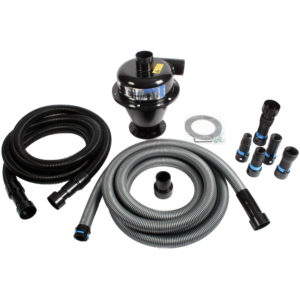
Yes, many shop vacuums can be used with power tools when paired with the correct hose, cuff or adaptor. This allows dust and debris to be collected closer to the source while sanding, cutting, drilling or routing. Always check the vacuum inlet size and the dust port size on your tool before ordering hoses or adaptors.
Are home and shop vacuums suitable for woodworking?
Yes, home and shop vacuums are often used for woodworking clean-up, including collecting sawdust, shavings and general workshop debris. For fine dust or heavier continuous use, you may need a suitable filter, bag, dust separator or dedicated dust extractor depending on the application.
Can a shop vacuum collect wet and dry waste?
Some shop vacuums are suitable for both wet and dry pick-up, but this depends on the model. Always check the product details before using a vacuum for liquids. You may also need to remove or change the dust bag and use the correct filter setup for wet collection.
Do I need dust bags for a shop vacuum?
Dust bags are recommended for many dry vacuuming tasks because they help contain dust, protect the filter and make emptying the vacuum cleaner and easier. For fine dust, bags can also help maintain suction and reduce the amount of dust released when emptying the machine.
What filter do I need for a home or shop vacuum?
The correct filter depends on the vacuum model and the type of material you are collecting. General debris may only need a standard filter, while fine dust, plaster dust, sanding dust or wood dust may require a finer filter or suitable dust bag. Always use filters that are compatible with your vacuum.
What hose size do I need for my shop vacuum?
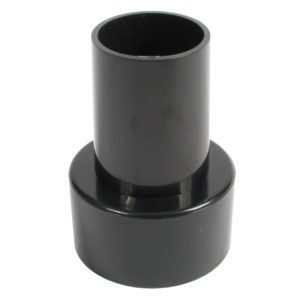
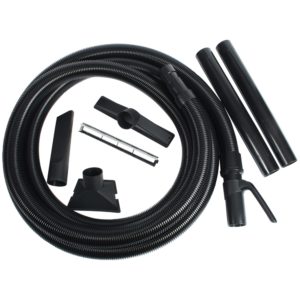
The hose size depends on your vacuum inlet and the tools or accessories you want to connect. Common sizes include 32mm, 35mm, 38mm, 58mm and larger workshop fittings. We always recommend measuring both the internal and external diameter of your existing hose, vacuum inlet and tool dust port before ordering.
Can I connect Quick Click adaptors to a shop vacuum?
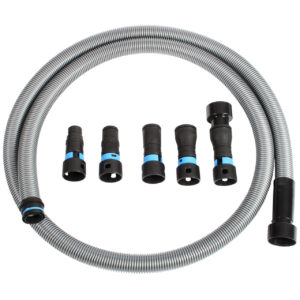
Yes, Quick Click hose and adaptor systems can be used with many home, shop and wet and dry vacuums when the correct hose size or vacuum connector is selected. They are useful for connecting vacuums to power tools from major brands and can make it much easier to switch between tools.
What size vacuum should I choose?
The best size depends on how often you use it and how much debris you collect. Smaller vacuums are easier to move and store, making them suitable for home garages and light DIY work. Larger capacity vacuums are better for workshops, trade use and jobs where you need longer cleaning time between emptying.
Can you help me choose the right home or shop vacuum?
Yes. If you are not sure which vacuum, hose, filter, bag or adaptor you need, contact us and we can help you choose the most suitable setup for your home workshop, garage, trade use or cleaning application.